

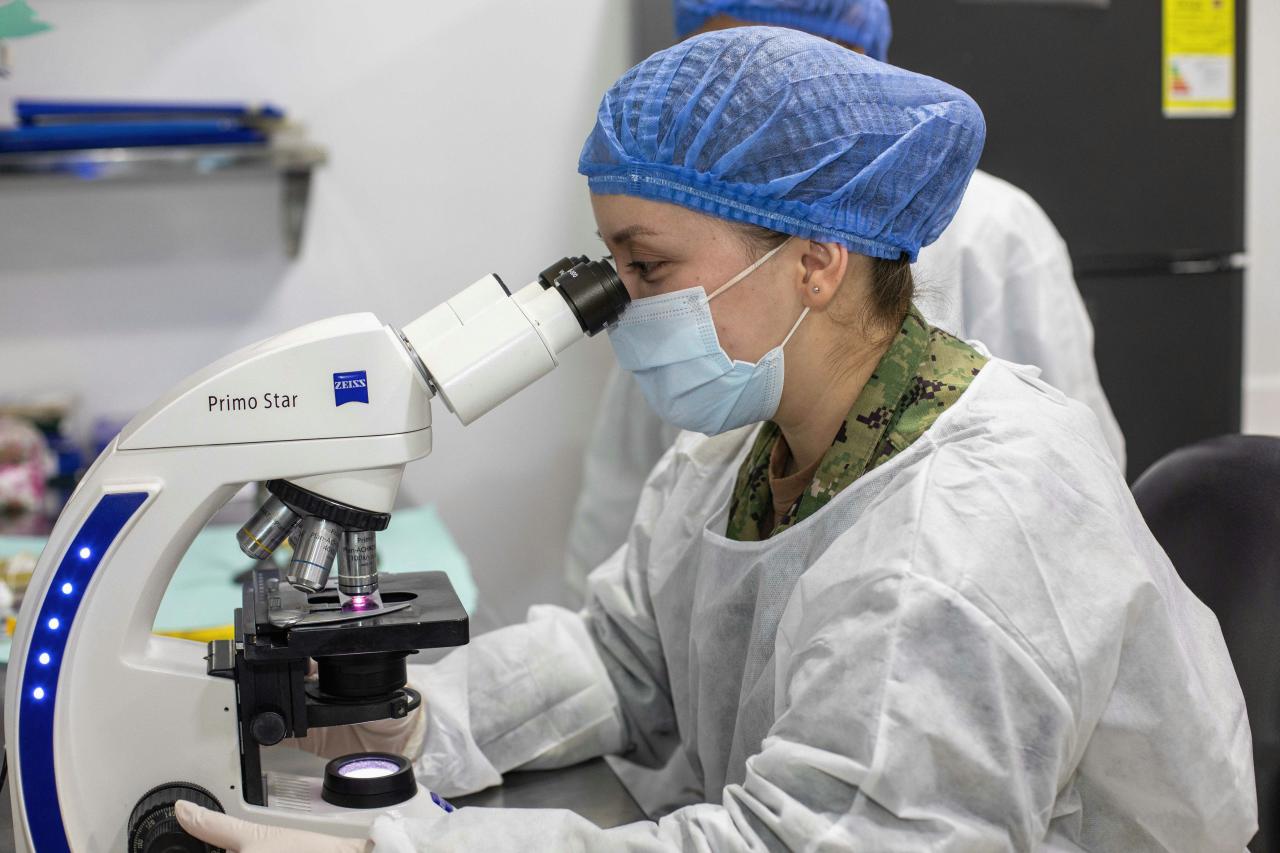
The landscape of modern medicine is undergoing a radical shift as the theoretical potential of genomic intervention transitions into verifiable clinical reality through the latest waves of human trials. For decades, the pharmaceutical industry has relied on molecular therapies that manage symptoms or modulate protein expressions, but the advent of Clustered Regularly Interspaced Short Palindromic Repeats, or CRISPR, has introduced a definitive mechanism for addressing the underlying genetic drivers of disease at their source.
We are currently witnessing a historic era where the “cut-and-paste” biological machinery of bacteria has been repurposed into a precision instrument capable of correcting deleterious mutations within the living human body. These clinical milestones represent a significant departure from traditional gene therapy, offering a permanent, one-time curative potential for conditions that were previously considered lifelong burdens on both patients and healthcare systems. Institutional investors and healthcare strategists are closely monitoring these data readouts, as the successful validation of CRISPR platforms reshapes the valuation of biotechnology pipelines and the future of specialized medicine.
The recent results from high-profile trials targeting hematological disorders, hereditary blindness, and chronic metabolic conditions provide the necessary empirical evidence to move these platforms toward large-scale commercialization. Beyond the immediate therapeutic benefits, these results also illuminate the complexities of off-target effects and the long-term durability of genomic edits, which are critical for establishing a robust safety profile for regulatory approval.
Navigating this new frontier requires a sophisticated understanding of molecular biology, delivery kinetics, and the evolving ethical frameworks that govern the alteration of the human genome. As more data points emerge from diverse therapeutic areas, the ability to translate these complex scientific findings into actionable market intelligence becomes a primary driver for leadership in the global life sciences sector. This comprehensive analysis explores the most significant recent trial outcomes, the technological hurdles that remain, and the strategic implications of CRISPR’s ascent in the professional medical and investment landscape.
A. Breakthrough Outcomes in Sickle Cell Disease

Recent clinical data have demonstrated that CRISPR-based interventions can effectively cure Sickle Cell Disease by reactivating fetal hemoglobin production. Patients treated in these landmark trials have shown a complete cessation of vaso-occlusive crises, which are the hallmark of this painful and debilitating condition.
The procedure involves harvesting a patient’s own hematopoietic stem cells and editing them ex vivo before re-infusion. This autologous approach minimizes the risk of graft-versus-host disease while ensuring that the edited cells provide a permanent supply of healthy hemoglobin.
B. Therapeutic Efficacy in Transfusion-Dependent Beta Thalassemia
Similar to the success in sickle cell trials, patients with transfusion-dependent beta thalassemia have achieved transfusion independence following CRISPR therapy. The results indicate a sustained increase in total hemoglobin levels that remain stable over multiple years of follow-up.
This outcome represents a massive shift in patient quality of life and a significant reduction in the long-term costs associated with chronic blood transfusions and iron chelation therapy. The financial viability of such “one-and-done” treatments is now a central topic of discussion in healthcare reimbursement models.
C. In Vivo Editing Success for Transthyretin Amyloidosis
One of the most significant leaps in the field is the successful use of CRISPR in vivo, where the editing components are delivered directly into the patient’s bloodstream. In trials for transthyretin amyloidosis, a single infusion of lipid nanoparticles led to a dramatic and durable reduction in toxic protein levels in the liver.
This systemic delivery mechanism opens the door for treating a wide range of metabolic and hepatic diseases that were previously unreachable with ex vivo methods. The data suggest that the liver can be effectively targeted with high precision and minimal systemic toxicity.
D. Addressing Hereditary Blindness via Subretinal Injection
Clinical trials targeting Leber Congenital Amaurosis 10 have utilized CRISPR to correct mutations directly within the photoreceptor cells of the eye. Early results have shown improvements in light sensitivity and visual acuity in several participants who were previously near-blind.
The eye serves as an ideal site for gene editing due to its immune-privileged status and the localized nature of the intervention. These trials provide essential proof-of-concept for using CRISPR to treat a variety of inherited retinal degenerations.
E. Managing Off-Target Effects and Genomic Integrity
A primary concern in all CRISPR trials is the potential for off-target edits, where the Cas9 enzyme cuts DNA at unintended locations. Recent trial data include extensive genomic sequencing to monitor for these events and ensure the long-term safety of the participants.
Advanced bioinformatics and high-fidelity enzymes have significantly reduced the frequency of these errors in clinical settings. The current consensus among researchers is that the therapeutic benefits of the intervention far outweigh the theoretical risks identified in earlier preclinical models.
F. Durability and Long-Term Patient Follow-Up
The longevity of a gene edit is a critical factor for its commercial and clinical success, especially for treatments marketed as cures. Long-term follow-up data from the earliest CRISPR trial participants show that the therapeutic edits remain stable after five years or more.
Ongoing monitoring is essential to ensure that the edited cells do not lose their function or develop secondary complications over time. These longitudinal studies are the foundation for building physician and patient trust in genomic medicine.
G. Evolution of Delivery Systems and Lipid Nanoparticles
The success of in vivo CRISPR is heavily dependent on the efficiency of the delivery vehicles, such as lipid nanoparticles (LNPs) and adeno-associated viruses (AAVs). Trial results have highlighted that LNP formulations are particularly effective for liver-directed therapies due to their low immunogenicity.
Researchers are now developing next-generation delivery systems that can target other organs, such as the heart, lungs, and central nervous system. Improving the specificity of these delivery “envelopes” is a major focus for expanding the CRISPR therapeutic window.
H. CRISPR in Oncology and CAR-T Cell Enhancement
CRISPR is being used to create more potent and durable CAR-T cell therapies for treating liquid and solid tumors. By knocking out genes that cause T-cell exhaustion, researchers can enhance the ability of the immune system to fight aggressive cancers.
Early-phase trials have shown that CRISPR-edited T-cells can persist longer in the patient’s body and show improved anti-tumor activity compared to traditional CAR-T cells. This application represents a significant opportunity for precision oncology.
I. Base Editing and Prime Editing Clinical Horizons
While the first generation of CRISPR used double-strand breaks, newer trials are beginning to explore base editing and prime editing. These “CRISPR 2.0” technologies allow for precise single-letter changes in the DNA without breaking the double helix.
Initial data from base editing trials suggest an even higher level of precision and a further reduction in the risk of unintended chromosomal rearrangements. These advancements are expected to broaden the range of treatable genetic mutations.
J. Regulatory Pathways and Accelerated Approvals
The positive results from CRISPR trials have led to breakthrough therapy designations and accelerated review timelines from the FDA and EMA. Regulators are working closely with developers to establish new standards for validating the safety and efficacy of genomic medicines.
Navigating these regulatory hurdles requires a robust data package that includes not only clinical efficacy but also detailed manufacturing and quality control metrics. The successful approval of the first CRISPR therapies sets the stage for a wave of future genomic interventions.
K. Patient Enrollment Challenges and Diversity in Trials
Ensuring that clinical trials include a diverse patient population is critical for validating that CRISPR therapies work effectively across different genetic backgrounds. Recent trials have made concerted efforts to enroll participants from various ethnic and geographic groups.
Overcoming skepticism about gene editing in underserved communities remains a significant challenge for the industry. Transparent communication of trial results and ethical safeguards is essential for maintaining broad public support for the field.
L. Manufacturing Scalability and Cost Reduction
Scaling up the production of CRISPR components and edited cells is a significant hurdle for widespread clinical adoption. Trial results often rely on highly controlled laboratory settings, but commercialization requires robust, automated manufacturing processes.
Investments in closed-loop manufacturing systems are helping to reduce the cost of production and the time required to deliver therapies to patients. Improving these logistics is vital for making CRISPR treatments accessible to a larger global population.
M. Ethical Frameworks and Germline Distinctions
A clear distinction is maintained in clinical trials between somatic cell editing (which affects only the patient) and germline editing (which would affect future generations). Current clinical results are strictly focused on somatic editing to address immediate medical needs.
International ethical consensus and national regulations strictly prohibit germline editing in human trials. Maintaining this boundary is crucial for the continued legal and social acceptance of CRISPR as a therapeutic tool.
N. Impact on Healthcare Economics and Value-Based Pricing
The high upfront cost of CRISPR therapies is challenging traditional healthcare payment structures. Clinical results that show a lifelong cure provide the justification for value-based pricing models where payments are spread out over time or linked to patient outcomes.
Insurers and national health services are analyzing the long-term savings from avoided hospitalizations and chronic care to determine the fair value of these treatments. This economic shift is essential for the sustainability of the biotechnology ecosystem.
O. Intellectual Property Landscapes and Licensing
The intellectual property surrounding CRISPR technology is complex and involves multiple academic and commercial entities. Trial successes often lead to significant shifts in the valuation of companies that hold key licenses for specific therapeutic applications.
Strategic partnerships between platform developers and large pharmaceutical companies are accelerating the transition of CRISPR from the lab to the clinic. Clear IP pathways are necessary for fostering continued investment in the field.
P. Overcoming Pre-existing Immunity to Cas Proteins
Because Cas9 is derived from common bacteria, many humans have pre-existing antibodies or T-cells that could potentially interfere with CRISPR therapies. Trial data have shown that while this immunity exists, it has not significantly hampered the efficacy of current in vivo treatments.
Researchers are exploring Cas proteins from different bacterial sources to avoid immune detection. Developing a library of diverse Cas enzymes is a strategic move to ensure that every patient can receive effective treatment.
Q. CRISPR for Rare and Ultra-Rare Diseases
The versatility of CRISPR makes it an ideal tool for addressing rare genetic diseases that affect only a small number of people. While the clinical results are promising, the economic model for developing these “orphan” therapies remains a challenge.
Platform-based regulatory approaches could allow for faster approval of CRISPR therapies for rare diseases by focusing on the delivery system rather than the specific genetic target. This would drastically reduce the cost of bringing new treatments to small patient populations.
R. Role of AI in Optimizing CRISPR Guide RNA
Artificial intelligence is being used to predict the most effective guide RNA sequences for specific genetic targets. Trial results are increasingly being supported by AI-driven designs that maximize on-target activity while minimizing the risk of errors.
This synergy between computer science and biology is accelerating the drug discovery process. AI models trained on clinical trial data are becoming more accurate in predicting patient responses to genomic interventions.
S. Global Competition and Regional Regulatory Variations
The race to commercialize CRISPR is a global competition with significant efforts in the United States, Europe, and China. Differences in regulatory environments can lead to variations in the speed at which clinical trials are approved and conducted.
International collaboration on safety standards is essential to prevent a “race to the bottom” in terms of ethical oversight. Regional successes often drive global trends in biotechnology investment and policy development.
T. The Future of Personalized Genomic Medicine
The ultimate goal of CRISPR technology is the realization of truly personalized medicine, where treatments are tailored to an individual’s unique genetic code. The current trial results are the first steps toward this more precise and effective healthcare model.
As the technology becomes more refined and affordable, we may see CRISPR used not just for treating disease but for preventing it in high-risk individuals. This proactive approach to health would represent the final evolution of the genomic revolution.
Conclusion

The latest CRISPR clinical trial results provide a definitive validation of gene editing. Patients once burdened by lifelong genetic diseases are now experiencing sustainable cures. Hematological disorders have served as the primary proving ground for these therapies. In vivo delivery marks a significant expansion of the CRISPR therapeutic landscape. Safety data regarding off-target effects remain a top priority for global regulators.
Long-term durability is being confirmed through years of consistent patient follow-up. Manufacturing and cost hurdles must be addressed to ensure widespread patient access. Ethical boundaries between somatic and germline editing remain firmly in place. The economic model of healthcare is shifting toward value-based, one-time cures. The future of medicine is being written in the letters of our own DNA.