

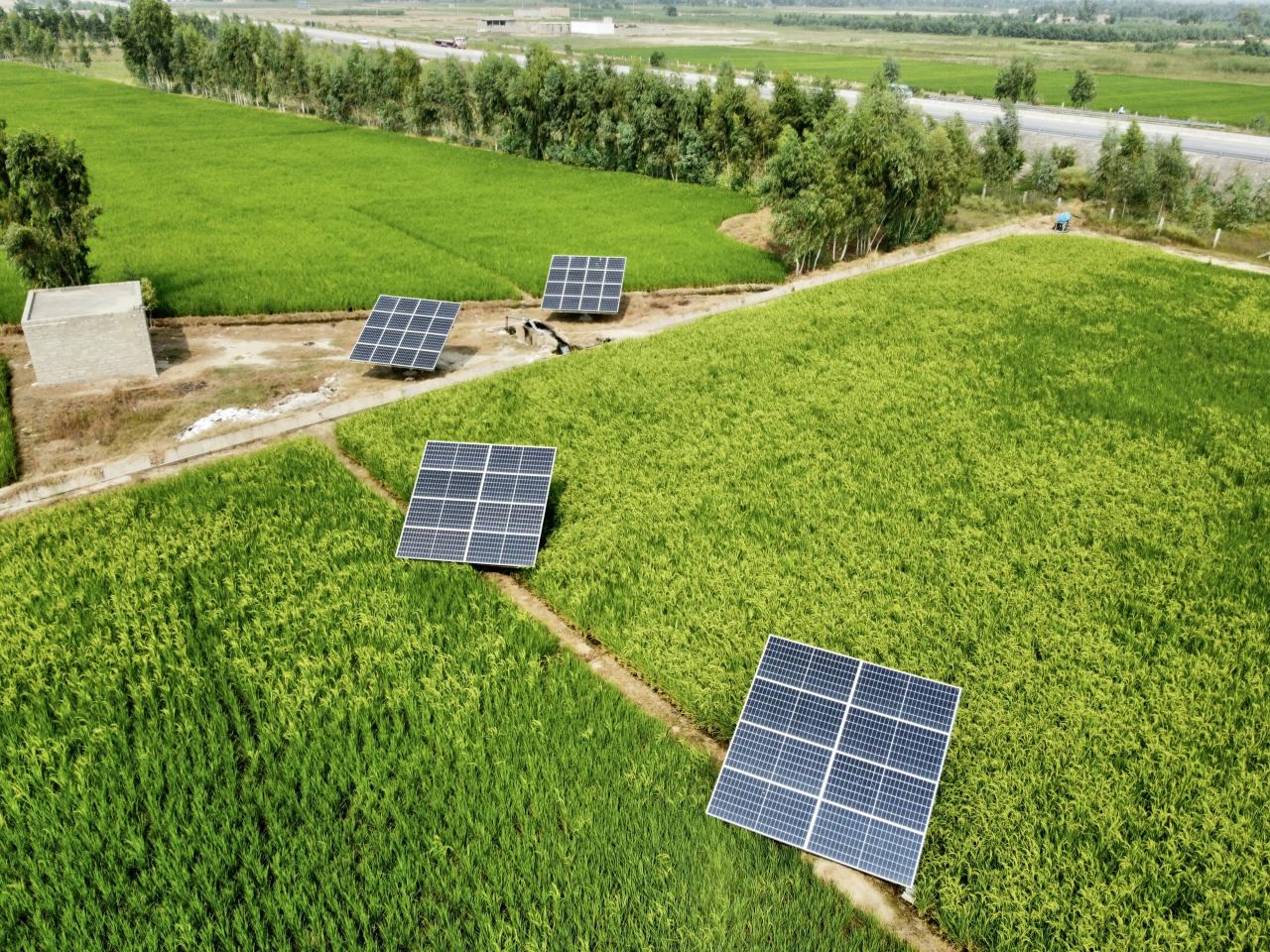
The conceptualization and implementation of localized energy systems have shifted from a niche engineering challenge to a primary strategic objective for high-value industrial complexes and critical urban infrastructure. As the global energy landscape faces increasing volatility from extreme weather events and aging centralized power grids, the ability to maintain operational continuity through autonomous power generation has become a significant competitive advantage.
This shift is driven by the realization that centralized electricity distribution, while historically efficient, contains inherent single points of failure that can lead to catastrophic financial losses during prolonged outages. Microgrids offer a sophisticated solution by integrating distributed energy resources such as solar photovoltaics, battery energy storage systems, and advanced reciprocating engines into a cohesive and intelligent local network.
These systems are designed to operate in parallel with the main grid or to “island” themselves, providing a seamless transition to self-sufficiency when the primary external power source fails. Beyond mere backup power, modern microgrids utilize complex control algorithms to balance load and generation in real-time, ensuring high power quality and voltage stability for sensitive industrial equipment. The financial attractiveness of these deployments is further enhanced by their ability to participate in demand response programs and provide ancillary services back to the utility, effectively turning a resilience asset into a revenue-generating entity.
Navigating the deployment phase requires a deep understanding of power systems engineering, local regulatory environments, and the long-term lifecycle costs of various generation technologies. This comprehensive analysis explores the technical architecture, economic drivers, and scalability factors that define the current state of microgrid technology for professional energy managers and institutional investors.
A. Core Architecture of Distributed Energy Resources
 v
v
The foundation of any resilient microgrid lies in its diverse mix of generation assets which typically include renewable sources and high-dispatchability thermal units. A balanced portfolio of distributed energy resources ensures that the system can meet peak demand even when weather-dependent sources like solar or wind are unavailable.
Advanced power electronics are used to synchronize these various inputs into a stable AC or DC bus. This physical layer is the backbone that supports all subsequent control and optimization functions within the localized network.
B. Intelligent Microgrid Control Systems
The “brain” of the microgrid is the master controller which manages the flow of electricity between generators, storage units, and end-use loads. This system must be capable of sub-millisecond response times to maintain frequency stability during sudden changes in generation or consumption.
Machine learning algorithms are increasingly used to predict load patterns and renewable output based on historical data and weather forecasts. These predictive capabilities allow the controller to pre-position energy storage levels ahead of anticipated grid stress events.
C. Seamless Islanding and Grid Reconnection
Islanding is the process where a microgrid disconnects from the main utility grid during a disturbance to continue operating independently. This transition must be handled with extreme precision to avoid damaging sensitive electronic equipment or creating safety hazards for utility workers.
High-speed static switches and protective relaying are essential components for achieving a seamless “bumpless” transfer. Once the main grid is stabilized, the microgrid controller resynchronizes its internal frequency and phase with the utility before reconnecting.
D. Battery Energy Storage System Integration
Energy storage serves as the critical buffer that smooths out the intermittency of renewable generation and provides immediate power during a grid outage. Lithium-ion and flow batteries are the most common technologies used due to their high energy density and cycling capabilities.
The sizing of the storage system is a critical financial decision that balances the cost of capacity against the required duration of autonomy. Large-scale storage also enables “peak shaving,” which reduces expensive demand charges from the utility during high-usage periods.
E. Microgrid Economic Optimization and Arbitrage
Beyond providing resilience, microgrids can be optimized to minimize the total cost of energy by arbitrage between different power sources. The system can automatically switch to onsite generation when utility prices are high and revert to the grid when prices drop.
This economic dispatch logic ensures that the microgrid provides a return on investment throughout the year, not just during emergencies. Participation in wholesale energy markets can further offset the initial capital expenditures of the system.
F. Thermal Management and Combined Heat and Power
In many industrial applications, the thermal energy produced by onsite generators can be captured and used for heating or cooling processes. Combined heat and power systems significantly increase the overall efficiency of the microgrid by utilizing energy that would otherwise be wasted.
This integration of thermal and electrical systems provides a dual layer of resilience for facilities that have critical heating or refrigeration requirements. It also helps in meeting corporate carbon reduction targets by maximizing the primary energy utilization of the fuel.
G. Regulatory Landscapes and Interconnection Standards
Deploying a microgrid requires navigating complex utility regulations and interconnection standards that vary significantly by geographic region. These rules dictate how the microgrid can interact with the public grid and what safety protocols must be followed.
Standardized protocols like IEEE 1547 provide a framework for the safe and reliable integration of distributed resources. Early engagement with utility stakeholders is essential for streamlining the permitting process and avoiding costly design changes.
H. Cybersecurity for Decentralized Energy Networks
As microgrids become more digitally integrated, they become potential targets for cyber threats that could disrupt critical power supplies. Implementing robust cybersecurity measures at the controller and communication levels is a non-negotiable requirement for resilient infrastructure.
This includes the use of encrypted communication channels, multi-factor authentication, and regular vulnerability assessments. A “security by design” approach ensures that the energy system remains protected against both physical and digital intrusions.
I. Scalability and Modular System Design
Modern microgrid solutions are increasingly moving toward modular designs that allow for easy expansion as the facility’s energy needs grow. Pre-engineered “microgrid-in-a-box” solutions reduce the time and complexity of onsite installation and commissioning.
Modular architecture also allows for the easy integration of future technologies, such as hydrogen fuel cells or long-duration storage, as they become commercially viable. This flexibility protects the initial investment from technological obsolescence.
J. Power Quality and Harmonic Mitigation
Industrial loads often generate harmonics that can degrade the quality of power within a small-scale network. Microgrid inverters must be equipped with active filtering capabilities to maintain a clean sine wave and protect sensitive electronics.
Maintaining high power quality is essential for preventing equipment failure and ensuring the longevity of industrial assets. Advanced monitoring tools provide real-time visibility into voltage sags, swells, and transient events within the microgrid.
K. Role of Hydrogen in Long-Duration Resilience
Hydrogen is emerging as a promising medium for long-duration energy storage within microgrid environments. Excess renewable energy can be used to produce hydrogen via electrolysis, which can then be stored and converted back to power during extended outages.
While still in the early stages of commercial deployment, hydrogen offers a carbon-neutral alternative to diesel backup generators. Its high energy density makes it suitable for facilities that require days or weeks of autonomous operation.
L. Financing Models and Energy as a Service
The high upfront cost of microgrid deployment can be mitigated through innovative financing models such as Energy as a Service (EaaS). Under this model, a third-party provider owns and operates the microgrid, while the customer pays a monthly fee for reliable power.
EaaS models shift the financial burden from capital expenditure to operational expenditure, making resilience more accessible to a wider range of organizations. It also transfers the technical and operational risks to the service provider.
M. Community Microgrids and Social Resilience
Community microgrids provide power to essential services like hospitals, fire stations, and water treatment plants during regional disasters. These systems act as “resilience hubs” that can support the local population when the broader infrastructure fails.
Developing community microgrids often involves public-private partnerships and shared funding mechanisms. They are a vital component of urban planning strategies aimed at improving regional disaster recovery capabilities.
N. Load Prioritization and Shedding Strategies
During an islanded event, the microgrid controller must prioritize “mission-critical” loads over non-essential systems to extend the duration of the available energy supply. This automated load shedding ensures that vital operations remain functional even when generation is limited.
Facility managers must define these priority tiers during the design phase to ensure the control logic aligns with business continuity goals. Real-time monitoring allows for dynamic adjustments to load priorities based on current generation levels.
O. Maintenance and Operational Reliability
The long-term reliability of a microgrid depends on a rigorous preventative maintenance schedule for all generation and storage components. Remote monitoring and diagnostics allow service teams to identify and fix issues before they lead to system failure.
Predictive maintenance using IoT sensors can significantly reduce downtime and extend the life of the assets. A well-maintained microgrid is a reliable insurance policy against the unpredictable nature of the centralized grid.
P. Environmental Impact and Carbon Accounting
Microgrids play a key role in corporate sustainability strategies by increasing the utilization of onsite renewable energy. Accurate carbon accounting tools track the emissions avoided by using clean local generation instead of grid power.
This data is increasingly important for meeting environmental, social, and governance (ESG) reporting requirements. Microgrids provide a tangible and verifiable way for organizations to demonstrate their commitment to a low-carbon future.
Q. Geographic Considerations and Resource Mapping
The optimal design of a microgrid is highly dependent on the geographic location and the available natural resources of the site. Solar-heavy systems are ideal for sun-belt regions, while wind or hydro might be more suitable in other areas.
A detailed resource assessment is the first step in the feasibility study for any microgrid project. Understanding the local climate patterns ensures that the system is right-sized for the specific environmental conditions it will face.
R. Impact of Electric Vehicle Charging on Microgrid Load
The rapid adoption of electric vehicles (EVs) introduces a significant and variable load to facility power systems. Microgrids can manage this demand through smart charging strategies that align EV charging with periods of high renewable generation.
EV batteries can also potentially serve as a distributed storage resource for the microgrid through vehicle-to-grid (V2G) technology. This bidirectional flow of energy adds another layer of flexibility and storage capacity to the localized network.
S. Policy Incentives and Grant Funding
Many governments offer tax credits, grants, and other incentives to encourage the deployment of resilient and renewable energy systems. These financial supports can significantly improve the internal rate of return for microgrid projects.
Staying informed about available incentives is a critical part of the project development process. These programs are often designed to support specific technologies or to improve the resilience of critical infrastructure sectors.
T. The Future of Peer-to-Peer Energy Trading
In the future, interconnected microgrids may be able to trade energy directly with one another through peer-to-peer networks. This would create a “grid of microgrids” that is even more resilient and efficient than the current centralized model.
Blockchain technology is being explored as a secure and transparent way to manage these decentralized energy transactions. This evolution will further democratize energy markets and provide new revenue streams for microgrid owners.
Conclusion

Global energy systems are transitioning toward a more decentralized and resilient future. Microgrids represent the pinnacle of localized power management and autonomous operation. Investing in energy resilience is a strategic necessity for high-value industrial assets. The integration of renewables and storage ensures both sustainability and reliability. Sophisticated controllers are the essential intelligence behind stable microgrid performance. Economic optimization allows these systems to provide value during normal grid conditions.
Regulatory navigation and technical standards are critical hurdles for successful deployment. Modular designs offer the flexibility needed to adapt to future energy innovations. Cybersecurity must be a core consideration in the design of every digital energy asset. The path to a resilient future is built on the foundation of intelligent local power.