

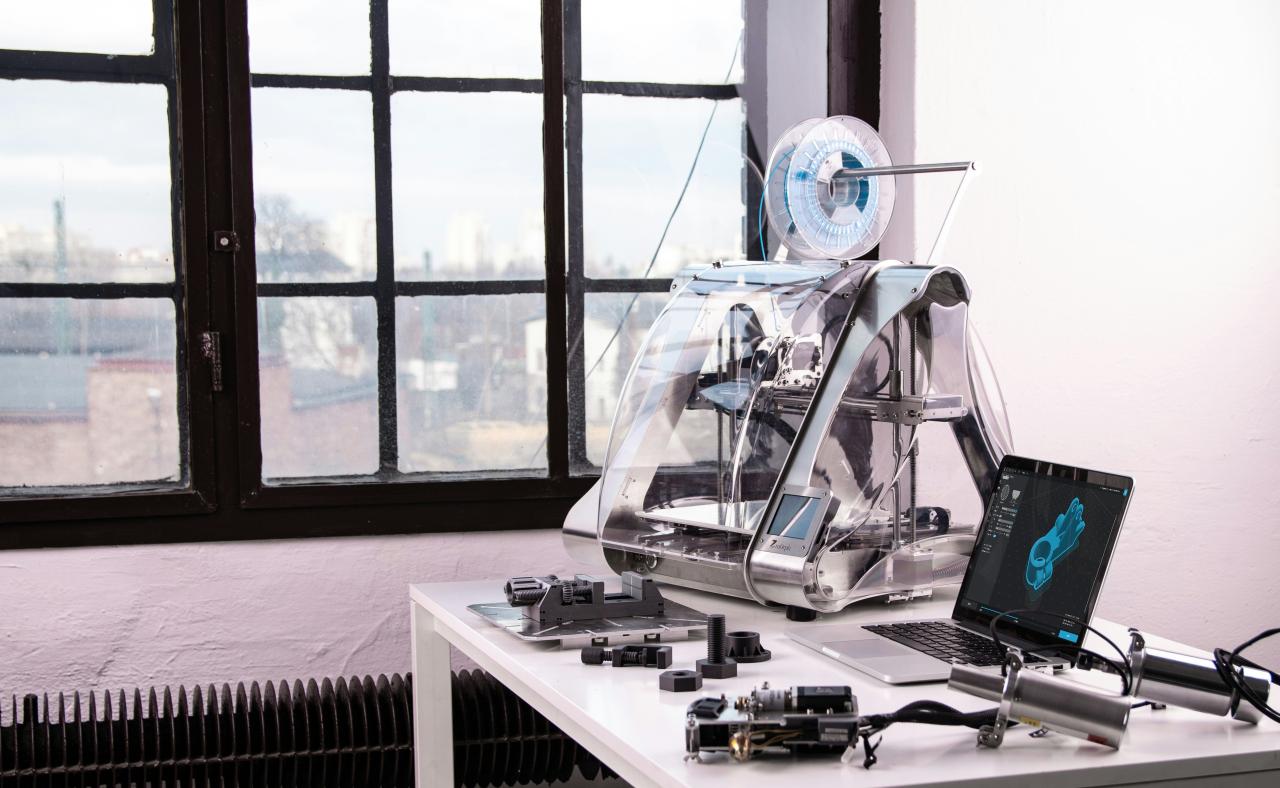
The era of science fiction has finally arrived in our professional environments as physical AI and advanced robotics become affordable for everyday businesses. For many decades, robots were giant, dangerous machines locked away in heavy industrial cages within massive automotive factories.
We are now witnessing a radical shift where “cobots” and intelligent assistants work side-by-side with humans in small offices, warehouses, and even retail shops. This technological evolution means that the mundane, repetitive tasks that once drained your team’s energy can now be handled by precise digital systems.
Modern robotic integration uses complex sensors and machine learning to navigate physical spaces while avoiding obstacles and adapting to human movements in real-time.
By adopting these smart automation strategies, you can significantly increase your daily output while reducing the risk of human error and physical strain. This article explores the essential pillars of integrating physical AI into your workflow and how you can start this high-tech transition today.
You will discover the practical secrets that turn a cluttered and slow workspace into a high-speed engine of modern productivity. Let us explore the best path toward a more efficient and futuristic work life for everyone involved.
Success in the modern professional landscape depends on your ability to leverage cutting-edge hardware to augment your natural human creativity. From autonomous mobile robots to precision robotic arms, the depth of available automation technology is truly impressive for any forward-thinking manager.
You do not need a degree in robotics engineering to implement these systems if you know the right platforms to choose for your specific needs. This guide breaks down complicated technical jargon into easy and actionable tasks that you can perform in your own facility.
We will show you how to identify the best robotic assistants that offer the highest return on investment and the easiest setup process. You will discover why the synergy between human intuition and machine precision is the most important factor in staying competitive.
The goal is to build a resilient workspace where you focus on high-level strategy instead of moving boxes or filing endless paperwork. Join us as we decode the art of robotic integration and help you master your journey toward total operational excellence.
Let us explore the best ways to keep your business moving forward while you pursue your biggest and most exciting professional goals.
Implementing Collaborative Robots In Daily Workflows

Collaborative robots, or “cobots,” represent the most significant breakthrough in workspace technology because they are designed to safely interact with human coworkers. In the past, traditional robots lacked the sensors to detect human presence, making them a major safety hazard in a shared office or small workshop.
Now, savvy business owners use cobots with advanced force-feedback sensors that stop movement instantly if they touch something unexpected. These machines can handle delicate assembly, complex sorting, or even basic administrative tasks without requiring a dedicated security zone.
It is a fundamental shift toward a “hybrid” workforce where humans and machines complement each other’s strengths perfectly.
A. Assessing your current workflow to identify repetitive physical tasks that a robotic arm or mobile unit could handle more consistently.
B. Choosing a cobot platform that offers “lead-through programming,” which allows you to train the robot by simply moving its arm manually.
C. Setting up a modular workspace that allows your robotic assistants to move between different stations as your daily priorities change.
D. Training your human team members on how to interact with their new mechanical partners to ensure maximum safety and comfort.
Many managers worry that their employees will feel threatened by the introduction of robotic assistants in the office or warehouse. You solve this “replacement fear” by positioning the robot as a tool that removes the “boring” parts of the job rather than the person.
Think of a cobot as a high-tech power tool that makes your team more capable, much like a computer replaced the typewriter decades ago. When people see that robots take over the heavy lifting and the dull repetitions, they quickly embrace the freedom to do more interesting work.
Enhancing Efficiency With Autonomous Mobile Robots
Autonomous Mobile Robots (AMRs) are changing the way materials and information move through a physical building without any human intervention. In the past, internal logistics required people to push carts, carry heavy files, or drive forklifts through busy corridors all day long.
Now, modern AMRs use LiDAR and 3D cameras to build a digital map of your workspace and find the most efficient route to their destination.
These robots can deliver mail to specific desks, move raw materials to production lines, or even provide security patrols after hours. It is a strategic move that eliminates the “wasted motion” that often clogs up a busy professional environment.
A. Installing a fleet of small AMRs to handle the internal delivery of documents, supplies, and equipment between different departments.
B. Using cloud-based fleet management software to coordinate the movements of multiple robots and avoid traffic jams in narrow hallways.
C. Integrating your robots with smart building systems like automatic doors and elevators so they can move between floors independently.
D. Analyzing the data collected by your mobile robots to identify bottlenecks in your workspace layout that you might have missed.
The challenge with mobile robotics is the initial fear that the machines will get stuck or cause accidents in a crowded human environment. You solve this “navigation anxiety” by starting with a single robot on a simple, predictable path before expanding to a full autonomous fleet.
Modern sensors are actually much more consistent than human eyes, especially in low-light conditions or during long, tiring shifts. Once you see your robotic assistants gliding smoothly through the office, the increased pace of your operations will become your new standard.
Integrating AI Sensors For Real Time Monitoring
The “brain” of a modern robotic workspace is the network of AI-powered sensors that monitor every movement and environmental change. In the past, business owners had to manually check inventory or look for equipment failures, which often led to costly downtime and lost sales.
Now, you can integrate smart cameras and environmental sensors that feed data directly into your robotic control systems in real-time.
This allows your robots to know when a shelf is empty or when a machine is about to overheat before a human even notices the problem. It is a proactive approach to maintenance and logistics that keeps your business running smoothly twenty-four hours a day.
A. Deploying computer vision systems that can identify and count inventory items more accurately than a manual human audit.
B. Using acoustic sensors that can “hear” the subtle changes in a machine’s motor that indicate a mechanical failure is imminent.
C. Connecting your environmental sensors to your building’s HVAC system to optimize energy use based on the actual number of people and robots present.
D. Leveraging edge computing to process sensor data locally, ensuring your robots can react to changes in milliseconds without waiting for a cloud connection.
The biggest mistake is thinking that you need to be a massive tech company to benefit from AI-driven sensor networks. You solve this “entry-level gap” by using “plug-and-play” sensor kits that attach to your existing machinery and connect via standard Wi-Fi.
These small devices provide a wealth of data that helps you make better decisions about your business operations and equipment health. Knowledge is power, and in a smart workspace, your sensors provide the constant stream of knowledge you need to stay ahead.
Scaling Productivity Through Cloud Robotics
Cloud robotics allows you to connect all your mechanical assistants to a centralized intelligence system that learns from every interaction. In the past, if you bought five robots, you had to program each one individually and update them manually one by one.
Now, through the “Global Brain” of the cloud, if one robot learns a better way to navigate a corner, every other robot in your facility learns it instantly.
This means your entire robotic workforce gets smarter every day without any extra effort from your IT staff or management team. It is a powerful way to scale your operations rapidly while maintaining a consistent level of quality across all your locations.
A. Utilizing “Digital Twins” to simulate your robotic workflows in a virtual environment before you ever buy a single piece of hardware.
B. Scheduling automatic software updates during off-hours to ensure your robots always have the latest security patches and feature improvements.
C. Sharing data between robots in different geographic locations to identify the best operational patterns for your specific industry or niche.
D. Using remote monitoring tools to troubleshoot robotic issues from your smartphone, no matter where you are in the world.
Many owners feel overwhelmed by the technical complexity of managing a “fleet” of robots across multiple sites or offices. You solve this “management burnout” by choosing a cloud-based robotics provider that handles the infrastructure and updates for you as a service.
This “Robotics as a Service” (RaaS) model allows you to pay a monthly fee instead of a massive upfront cost for expensive hardware. Scaling your business should be about strategy, and cloud robotics gives you the tools to grow without the technical headaches.
Conclusion

Smart robotics represent a strategic breakthrough in operational sovereignty, replacing manual fatigue with innovative collaborative systems and high-speed automation that ensure your production engine wins today.
By integrating mobile units and advanced sensor arrays into your daily flow, you can effectively eliminate logistical bottlenecks and maintenance risks while benefiting from the stability of a cloud-updated fleet.
Taking immediate action to audit your operational habits and adopting a logic-based mission to deploy cobots allows you to reclaim your competitive freedom, grow your industrial prosperity, and secure a lasting legacy through technical excellence.
The path to a successful and high-performance organization is clear when you use intelligent automation as your primary tool to fuel rapid growth and achieve ultimate stability starting today.